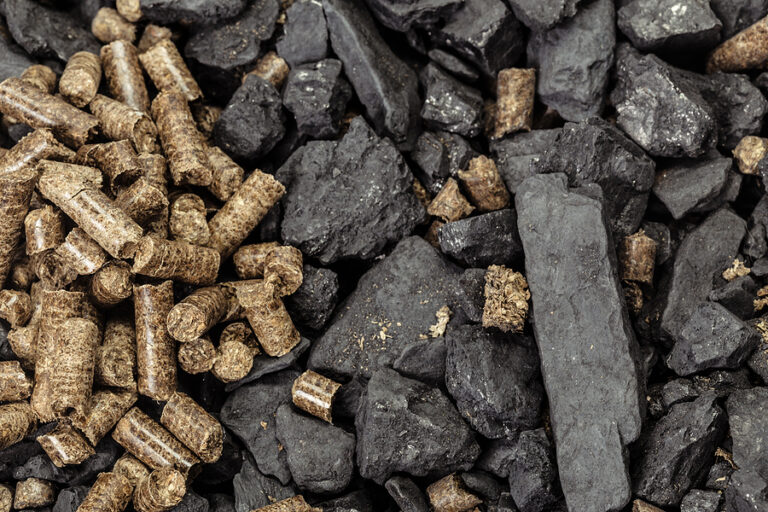
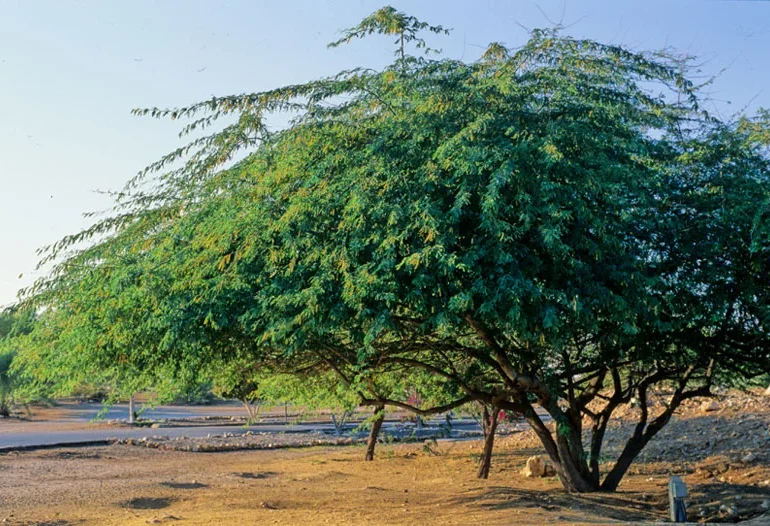
Transforming an Invasive Species Into a Scalable Industrial Energy Solution.
Turning Prosopis Juliflora Into Sustainable Industrial Power
Panafrique Green Energy is leading one of Ethiopia’s most impactful green‑industry initiatives: the conversion of Prosopis Juliflora (PJ), an invasive plant covering more than 2 million hectares, into a reliable alternative fuel for cement manufacturing. This project directly supports Ethiopia’s goals to reduce CO₂ emissions, strengthen energy security, and restore degraded land.
The initiative builds on more than a decade of research, feasibility studies, and pilot operations conducted in partnership with the Ministry of Industry, regional governments, National Cement, and international institutions, including the IFC.
Why Prosopis Juliflora?
PJ has emerged as one of Ethiopia’s most promising alternative fuels due to its:
High calorific value: 4,200–4,900 kcal/kg
Low ash content: <2%
Non‑seasonal availability
Extensive coverage: Over 1.1 million hectares in Afar and Somali regions
Fast regrowth and drought resistance
Its abundance and energy profile make it an ideal substitute for coal in cement production.
Cutting Emissions While Restoring Land
Using one ton of Prosopis Juliflora biomass in cement production cuts CO₂ emissions by around 1.1 tons compared to imported coal. This shift not only lowers the industry’s carbon footprint — it also delivers direct benefits to surrounding communities. As PJ is cleared, fertile land is restored and returned to local farmers, supporting livelihoods and improving long‑term agricultural potential.
Developing a local green‑energy source and the supply chain to support it greatly reduces Ethiopia’s dependence on imported fossil fuels. As coal substitution increases, the foreign currency spent on fuel imports declines, strengthening both industrial competitiveness and the country’s overall economic resilience.